
Contents
You may not realize that water damage inside walls often starts before any visible staining appears. Emergency Water Damage Signs in Walls can include bubbling paint, soft drywall, warped trim, musty odors, or cooler wall sections near plumbing and exterior walls. After heavy rain, faint dripping or spreading discoloration can point to an active leak. The next step matters because hidden moisture can escalate quickly.
Key Takeaways
- Bubbling paint, drywall staining, or warped trim near plumbing or exterior walls often signals hidden wall water damage.
- A musty odor, soft wall spots, or cooler wall surfaces can indicate trapped moisture behind the wall.
- Stains that darken, spread, or reappear show the damage is actively worsening.
- New sagging drywall, separating baseboards, or widening gaps suggest structural weakening inside the wall.
- Electrical issues, mold growth, or recurring leaks mean you should call water damage restoration help immediately.
Signs of Water Damage in Walls
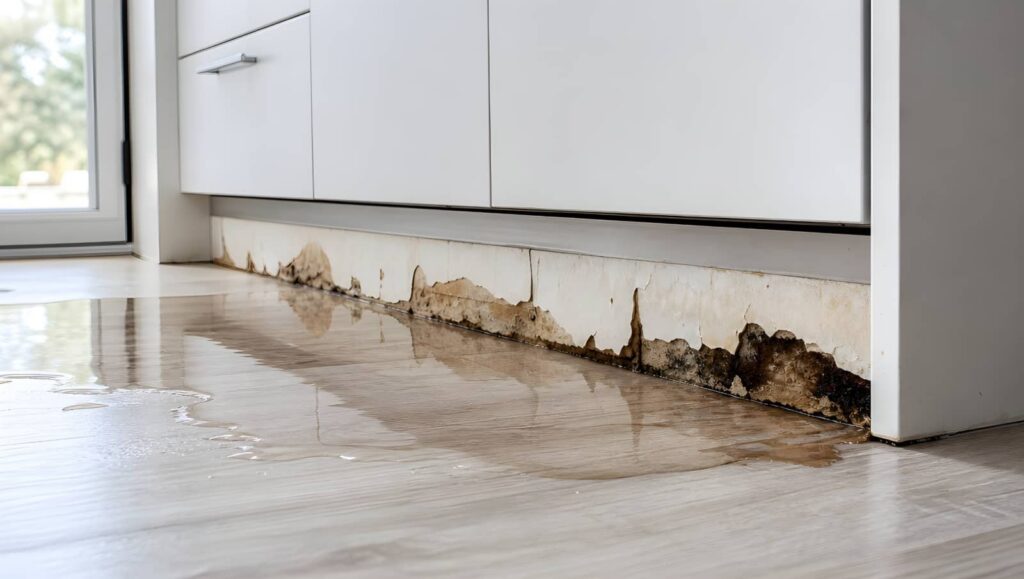
When water damage hides inside walls, you may notice subtle warning signs before the problem becomes severe. You might see paint bubbling, drywall staining, or warped trim near plumbing runs or exterior walls.
A musty odor often signals trapped moisture, and you shouldn’t ignore soft spots when you press the surface. In some cases, your wall may feel cooler because damp materials conduct heat differently.
Listen for faint dripping or hissing behind the finish, especially after heavy rain or a supply line failure. These emergency water damage signs in walls mean moisture is likely confined within the cavity.
If you spot them, you belong to the group of homeowners who act fast, document the area, and call a restoration professional before hidden damage compromises materials and indoor air quality.
How to Tell If Wall Damage Is Spreading
If wall damage is spreading, you’ll usually see the affected area grow over time: stains darken or expand, paint continues to bubble, drywall starts to sag, and trim or baseboards may separate from the wall.
You should compare the wall daily and note any change in size, texture, or alignment. Mark the outer edge of staining with a pencil, then recheck it after 24 to 48 hours.
- Look for new discoloration beyond the original spot
- Press gently for soft, flexing, or hollow sections
- Watch for seams that widen or corners that lift
When you track these changes, you can tell whether the damage is stable or advancing. Staying alert helps you act with confidence and protect your home as part of a prepared, informed community.
Why Hidden Wall Leaks Become Dangerous Fast
Hidden wall leaks become dangerous fast because moisture stays trapped where it can keep feeding damage unseen.
You may not notice the leak, but gypsum, insulation, and framing absorb water quickly, then lose strength and thermal performance. Within hours, damp materials can swell, separate, and create pathways for more spread.
If humidity rises inside the cavity, mold can begin growing and releasing spores you shouldn’t breathe. Electrical components nearby can corrode, and hidden wiring damage increases fire risk.
Because the wall seals the problem in, surface drying won’t solve it. You need prompt inspection, moisture measurement, and targeted drying to stop deterioration before it becomes structural.
Acting early helps you protect your home, your air quality, and your sense of safety.
What Causes Water Damage Inside Walls
Water damage inside walls usually starts with a plumbing failure, roof leak, exterior gap, or condensation problem that lets moisture enter the cavity and stay trapped.
You may notice a slow pinhole leak, loose pipe fitting, failed flashing, cracked caulk, or missing sealant around penetrations. Once water reaches insulation, drywall, or framing, it spreads by capillary action and lingers in low-airflow spaces.
Warm indoor air can also condense on cold surfaces, especially where insulation is thin or vapor barriers are damaged. In our homes, these hidden paths often share the same warning pattern.
- Leaking supply lines
- Failed exterior seals
- Condensation on cold framing
You’re not dealing with a mystery; you’re seeing moisture follow the easiest route inside the wall assembly, and that route usually keeps feeding damage until you stop the source.
When to Call Water Damage Restoration Help
Call restoration professionals as soon as you see wall damage that spreads, recurs, or affects more than a small surface area.
You shouldn’t wait if paint blisters, drywall softens, baseboards swell, or a musty odor lingers after leaks. These signs often mean moisture has moved beyond the visible surface and may be trapped in framing, insulation, or cavities.
A certified team can use moisture meters, thermal imaging, and controlled drying to map the problem and stop further deterioration.
If you notice electrical issues, warped trim, or mold growth, call immediately; you’re part of a community that protects homes by acting early.
Fast response limits structural damage, reduces remediation costs, and helps you return to a safe, dry space sooner.
Frequently Asked Questions
Can Water Damage Inside Walls Cause Mold Growth Quickly?
Yes, it can. You’ll often see mold within 24–48 hours if moisture stays trapped behind walls. Act fast: dry the area, find the source, and call a restoration pro before damage spreads.
Do Hidden Wall Leaks Affect Electrical Wiring Safety?
Yes—hidden wall leaks can turn wiring into a live trap. You’ll face corrosion, shorts, and fire risk. If you notice flickering lights or tripping breakers, call a licensed electrician fast and protect your home.
How Long Can Water Stay Trapped Inside Walls?
You can’t safely assume any fixed duration; water may stay trapped for days or weeks, depending on materials and airflow. You’ll want to dry walls fast, because hidden moisture invites mold, rot, and electrical hazards.
Can You Inspect Wall Leaks Without Opening the Drywall?
Yes, you can inspect leaks like a detective reading footprints. You’ll use moisture meters, thermal imaging, and pressure tests to find clues. These tools help you spot hidden damage and belong to informed homeowners.
Will Insurance Cover Emergency Water Damage Inside Walls?
Yes, you’ll often get coverage if the damage is sudden and accidental, not from neglect. You should review your policy, document the loss, and call your insurer quickly, because exclusions, deductibles, and limits can apply.
Review
When you spot bubbling paint, stained drywall, warped trim, or a musty odor, don’t wait. Hidden wall leaks can spread like wildfire, weakening structure and feeding mold before you even see the source. Check plumbing and exterior walls, listen for dripping, and feel for soft or cool spots. If the signs point to active water intrusion, call water damage restoration help right away. Quick action protects your walls, your home, and your safety.
Recent Posts
Flood Damage Repair Vs Water Damage Restoration Explained
If a burst pipe soaks your basement overnight, you may need water damage restoration; if
When To Hire Professional Flood Damage Repair Services
If you notice standing water, soaked materials, or a persistent musty smell, you may need
Flood Damage Repair Insurance Claims: How The Process Works
When floodwater hits your home, you need to move fast and document everything before cleanup