Contents
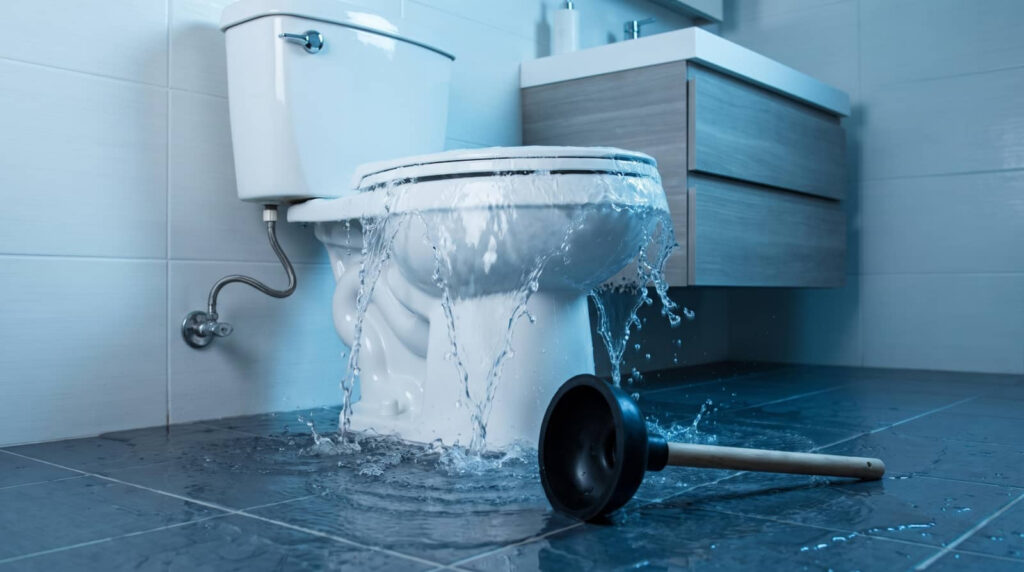
Knowing when to call sewage cleanup services can protect your health and your home. A minor drain clog is inconvenient; a sewage backup is a biohazard. When you see standing wastewater, smell sulfurous odors, or find saturated drywall, you need professional cleanup fast. You can’t safely treat contaminated water as a simple spill, and delay only increases pathogen spread, structural damage, and insurance risk. The right crew isolates the area, extracts waste, disinfects surfaces, and documents losses, but knowing exactly when to call them takes more than guesswork.
Key Takeaways
- Call professionals immediately if sewage backs up, overflows, or creates standing water and foul odors in your home.
- Seek expert help when sewage contaminates carpet, drywall, HVAC components, or other porous materials that cannot be safely disinfected.
- Professional cleanup reduces health risks from bacteria, viruses, mold growth, and airborne contamination during disturbance.
- Experts isolate the area, remove waste, sanitize surfaces, and inspect hidden structural damage before restoration begins.
- Choose a company with 24/7 biohazard response, proper PPE, OSHA/EPA compliance, and IICRC-trained technicians.
When Sewage Cleanup Is Necessary
Sewage cleanup becomes necessary whenever wastewater backs up into a home or business, overflows from toilets or drains, or leaks from damaged sewer lines, because it can expose occupants to bacteria, viruses, and other hazardous contaminants.
You should act immediately when you see standing sewage, persistent foul odors, or saturated flooring that won’t dry.
If the contamination reaches carpet, drywall, insulation, or HVAC components, you need professional removal and disinfection.
When you search for sewage cleanup services near me, choose a team that isolates the affected area, extracts waste, removes compromised materials, and restores sanitary conditions with proper equipment.
You belong with responders who document the damage, follow safety protocols, and return your property to usable condition without delay or guesswork.
Why Sewage Backup Puts You at Risk
Once wastewater enters your property, it exposes you to far more than a foul odor or a mess. You’re dealing with pathogens, including bacteria, viruses, and parasites that can infect skin, eyes, and respiratory pathways.
Contaminated water can also carry chemicals and fecal matter, which raise the risk of gastrointestinal illness, dermatitis, and allergic reactions. If you disturb affected areas, you can aerosolize contaminants and spread them into nearby rooms.
Porous materials like drywall, insulation, and carpet absorb sewage quickly, creating hidden reservoirs for microbial growth. Moisture can weaken structures and degrade finishes, while lingering contamination compromises indoor air quality.
Protect your household by treating any sewage backup as a serious exposure event. You deserve a safe, sanitary home, and prompt professional response helps preserve that standard.
How Pros Stop Sewage From Spreading
Professional sewage cleanup services begin with containment. Professionals stop sewage from spreading by immediately isolating the contaminated zone and controlling every pathway the water could use to travel.
You’ll see them seal off doorways, protect HVAC returns, and set up negative air if the layout demands it. They map flow lines, then build barriers at thresholds, drains, and low points so runoff can’t migrate into clean rooms.
Because you want your home handled as a system, they also shut off affected utilities and limit foot traffic to reduce tracking. In shared spaces, they coordinate access so your family or team stays clear of the hazard.
This disciplined containment keeps contamination local, preserves adjacent materials, and gives you a controlled workspace for the rest of the cleanup.
What Sewage Cleanup Teams Remove First
You’ll see sewage cleanup teams remove contaminated water first to stop further absorption into surfaces and reduce biohazard spread.
They then extract solid waste to clear physical debris and expose hidden contamination.
After that, they dispose of affected materials that can’t be safely disinfected or restored.
Contaminated Water Removal
When sewage backs up into a property, cleanup teams remove the contaminated water first because it poses the immediate health and structural risk.
You get a faster, safer response when technicians use pumps, wet vacuums, and extraction equipment to lower the water level immediately. This step limits bacterial spread, airborne exposure, and further absorption into floors, walls, and subfloors.
You’ll also see crews isolate the affected area, shut off unsafe utilities, and route wastewater into sealed containment. By acting at once, they help protect your space and keep your household or business in the recovery process.
Once the water is gone, they can assess hidden saturation and prepare the site for the next phase of cleanup with confidence and control.
Solid Waste Extraction
After the contaminated water is removed, crews extract solid waste next because it carries pathogens, creates odor, and blocks proper sanitation.
You’ll see technicians remove fecal matter, toilet paper masses, food debris, sludge, and any loose contaminated buildup by hand tools, shovels, and vacuum-assisted equipment. They work in controlled zones, isolate the area, and keep traffic low so you’re not exposed to aerosolized contaminants.
This step matters because every remaining fragment can feed microbial growth and slow disinfection. You can expect workers to inspect corners, drains, baseboards, and crevices where waste settles and hides.
Affected Material Disposal
Before crews begin deep cleaning, they remove the most compromised materials first because porous items can trap sewage, spread contamination, and keep odors active.
You’ll see them pull out soaked drywall, carpet, insulation, baseboards, and upholstered items that can’t be reliably disinfected. They also bag and tag contaminated debris so your loss stays traceable and the work area stays controlled.
Technicians separate salvageable materials from waste, then dispose of unsalvageable items under local biohazard and solid-waste rules. This step matters because hidden contamination can migrate behind finishes and into framing, putting your space and your team at risk.
When crews clear affected materials quickly, they help you regain a safer structure, reduce odor persistence, and create the clean surface needed for proper disinfection and drying.
When Contaminated Water Is Still a Sewage Problem
Even if the water looks clear or has started to recede, it can still be a sewage hazard if it came from a toilet backup, main line failure, or floodwater mixed with wastewater.
You’re dealing with Category 3 contamination, which can carry bacteria, viruses, parasites, and chemical residues even after dilution.
If you see a sewage odor, staining, or debris at the waterline, treat the area as unsafe.
The hazard also remains when water has wicked into porous materials or pooled under finishes you can’t easily inspect.
In those cases, your team needs professional sewage cleanup services to assess exposure, remove contaminated water, and verify the space is fit for reentry.
Acting quickly helps protect your household and keeps everyone on the same safe path.
What DIY Cleanup Can’t Safely Handle
You can’t safely handle sewage cleanup when hidden health hazards remain in porous materials, air spaces, or contaminated residue that standard cleaning won’t remove.
You also risk worsening structural damage if moisture has already penetrated subfloors, drywall, or insulation.
Professional sewage cleanup services assess both contamination and building integrity before they restore the area.
Hidden Health Hazards
Sewage contamination creates hidden health hazards that DIY cleanup can’t safely control, including airborne bacteria, viruses, parasites, toxic gases, and aerosolized waste that can spread through the affected area.
You’re exposed when splashes, mists, or disturbed debris enter your breathing zone, eyes, or open skin. Pathogens like E. coli, norovirus, and hepatitis A can infect you through contact or ingestion, while hydrogen sulfide and methane may irritate airways or displace oxygen.
You also face biofilm residue on surfaces that ordinary cleaners miss.
Professional crews use containment, negative air control, and regulated disinfectants to reduce exposure.
If you want your home protected and your household safe, call trained technicians who can assess contamination, isolate hazards, and restore sanitary conditions with the right equipment and protocol.
Structural Damage Risks
Contamination isn’t the only danger after a sewage backup; wastewater can also weaken building materials and create structural risks that DIY cleanup can’t reliably manage.
You may see warped subflooring, softened drywall, rusted fasteners, and saturated insulation, but the hidden damage often extends deeper into framing and load-bearing assemblies.
If you walk on compromised flooring or remove materials without proper assessment, you can worsen collapse risk and spread contamination into adjacent spaces.
Professional sewage cleanup teams inspect moisture intrusion, test affected components, and determine what must be removed, dried, or rebuilt.
They also stabilize unsafe areas before restoration starts, so you’re not left guessing.
When you want your property and community protected, calling experts helps ensure the structure is truly safe, not just visibly clean.
How Sewage Cleanup Teams Dry and Disinfect
After crews extract the contaminated water, they use high-capacity air movers, dehumidifiers, and moisture meters to dry affected surfaces and prevent secondary damage.
You’ll get targeted airflow that speeds evaporation from floors, wall cavities, and framing members while technicians track readings until materials reach acceptable ranges.
They then apply EPA-registered disinfectants to sanitized surfaces, following required dwell times so pathogens can’t survive.
In a thorough cleanup, they treat hidden moisture pockets, monitor temperature and humidity, and adjust equipment as conditions change.
This disciplined process helps you return to a safer, healthier space with fewer odors and lower risk of microbial growth.
When you work with trained professionals, you’re not facing this alone—they use proven methods that protect your property and your peace of mind.
What Sewage Cleanup Teams Remove
Cleanup crews remove more than visible wastewater: they extract sewage, saturated materials, and anything that’s absorbed contamination, including carpet, padding, drywall, insulation, baseboards, and damaged personal items.
You can expect them to target porous materials first, because they trap pathogens and can’t be reliably cleaned in place. Technicians also remove standing water, sludge, debris, and any contents that block access to affected surfaces.
They may cut out lower wall sections, lift flooring, and discard contaminated furnishings when decontamination isn’t feasible. After removal, they isolate the work zone and clear remaining residue so your property can move toward safe restoration.
How To Document Sewage Damage for Insurance
You should photograph all sewage damage before any cleanup begins, capturing wide shots and close-ups of affected materials, moisture lines, and contamination spread.
Keep the images time-stamped and organized so you can verify the extent of loss for the adjuster.
You should also save every repair receipt, since insurers use documented costs to validate claims and reimburse eligible expenses.
Photograph All Damage
Capture the damage before any cleanup begins, because clear photos create the strongest insurance record. Photograph every affected room from the doorway, then move closer for walls, flooring, baseboards, furniture, and contents.
Include wide shots that show the full extent of the sewage spread, and close-ups that reveal staining, bubbling paint, warped materials, and debris lines. Use good lighting, keep the camera steady, and capture both horizontal and vertical images.
Add date stamps if your device supports them. If safe, photograph the source area, standing water, and any porous items touched by contamination. Don’t move items unless you must protect yourself.
Organize images by room so you can present a clean, consistent timeline. When you document carefully, you help your claim and protect your household’s recovery.
Save Repair Receipts
Save every receipt and invoice tied to the sewage incident, because each document helps prove the scope and cost of your loss. You should keep contractor estimates, disposal fees, sanitizer purchases, and hotel stays in one organized file.
Label each item by date, vendor, and service category so your insurer can trace the timeline fast. Keep digital copies too, because paper can stain, tear, or get lost during cleanup. If you replace flooring, drywall, or insulation, save before-and-after invoices and payment confirmations.
- Track all emergency repairs immediately.
- Match each expense to a photo and claim note.
- Submit copies, not originals, unless your adjuster asks.
This record helps you join the claims process with confidence, and it strengthens your case for full reimbursement.
Choosing the Right Sewage Cleanup Company
When choosing a sewage cleanup company, verify that it specializes in biohazard remediation, responds 24/7, and follows OSHA and EPA safety protocols.
You should confirm that technicians carry proper PPE, use negative-air containment, and document moisture readings, disposal manifests, and antimicrobial treatments.
Ask whether the firm provides IICRC-trained crews, insurance coordination, and clear line-item estimates before work begins.
You deserve a team that communicates quickly, explains the restoration plan, and protects your property from cross-contamination.
Check reviews for punctuality, workmanship, and respectful service, because reliable professionals help you feel supported during a stressful event.
If the company can’t explain drying timelines, odor control, or structural decontamination, keep looking until you find a qualified partner who’ll restore your space safely.
Frequently Asked Questions
How Long Does Sewage Cleanup Usually Take?
Usually, you’ll need 1 to 5 days, depending on contamination, area size, and drying time. You’ll feel more confident when professionals inspect, remove waste, disinfect surfaces, and verify safe restoration before completion.
Can Sewage Damage Hidden Behind Walls?
Yes, sewage can damage hidden behind walls, and you might discover it only after a coincidence like odor or staining. You should inspect cavities, because contamination can spread, weaken materials, and require professional remediation.
Do I Need to Leave My Home During Cleanup?
Yes, you’ll usually need to leave during cleanup if contamination is extensive, airborne, or involves porous materials. You’ll stay safer elsewhere while professionals contain hazards, remove waste, disinfect surfaces, and verify the area’s return.
Is Sewage Cleanup Covered by Renters Insurance?
Usually, yes—if your renters policy includes water backup or accidental discharge. You should review exclusions, document damage fast, and call your insurer immediately; one missed clause can turn a small mess into a financial catastrophe.
Will the Smell Go Away After Professional Cleanup?
Yes, you’ll usually lose the odor after professional cleanup, because you’ve removed contamination and dried affected materials. If porous materials remain or hidden moisture persists, you’ll still need deodorization, antimicrobial treatment, and verification.
Recap
When you spot sewage, you need to act fast. A single backup can expose you to pathogens and spread contamination through porous materials, HVAC systems, and subfloors. According to the EPA, even 1 inch of standing water can damage thousands of dollars in property, and sewage increases that risk sharply. Call certified sewage cleanup professionals right away, isolate the area, and document every affected surface so you can protect your health, your home, and your insurance claim.
Recent Posts
The Complete Guide to Sewage Cleanup and Restoration
Sewage cleanup and restoration is one of the most urgent jobs a homeowner can face.
Flood Damage Repair After Storm Flooding: Recovery Steps
Flood damage repair after storm flooding is a race against time. When floodwater knocks at
Flood Damage Repair Vs Water Damage Restoration Explained
Flood damage repair vs water damage restoration comes down to where the water came from.