Contents
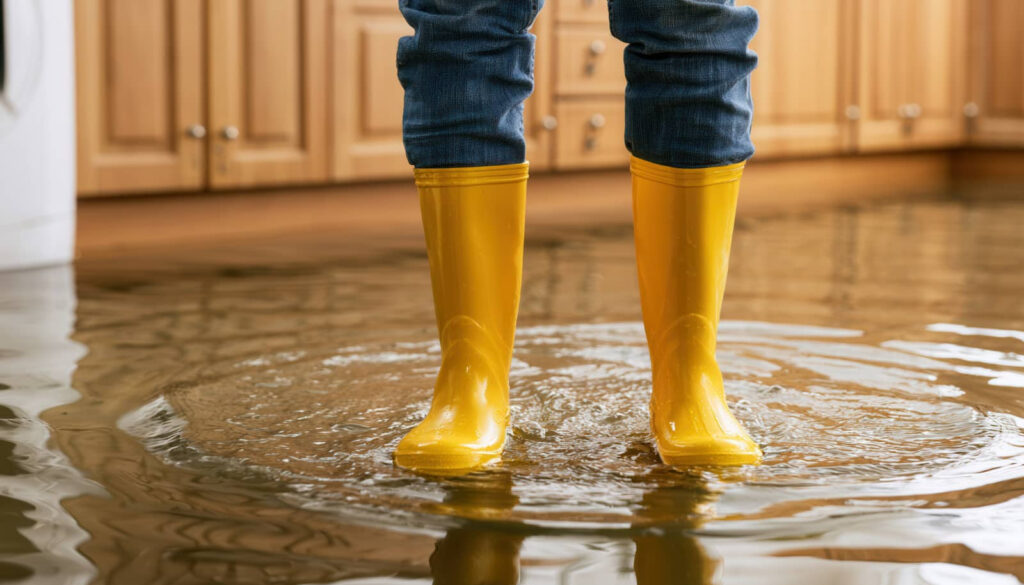
When floodwater knocks at your door, will you answer with speed or regret? You’ll start by making the area safe, shutting off power and water, and documenting damage for insurance. Then you’ll remove standing water, dry the structure, clean and disinfect surfaces, and watch closely for mold. Some materials can’t be saved, and serious structural or contamination issues may need a pro—before the next step changes everything.
Key Takeaways
- Shut off electricity and gas if safe, and wear boots, gloves, and a mask before entering flooded areas.
- Photograph all damage and note water levels, soaked materials, and structural issues for insurance records.
- Remove standing water quickly with pumps or wet vacs, then use fans and dehumidifiers to dry rooms.
- Tear out unsalvageable drywall, insulation, carpets, and other porous materials to prevent mold growth.
- Call professionals for contaminated water, hidden structural damage, or unsafe electrical systems.
Take These Safety Steps First
Before you begin flood damage repair, take a few safety steps to protect yourself and your home.
Shut off electricity and gas if you can reach the main controls safely. Wear boots, gloves, and a mask before you enter wet areas. Open windows and doors for ventilation, and keep children and pets away from damaged spaces.
If water is still present, don’t wade through it unless you’re certain it’s safe. Use a flashlight instead of candles to lower fire risk.
Photograph conditions for your records, then contact your insurer and local recovery team.
These first actions help you start flood damage repair after storm flooding with confidence, protect your household, and connect you to the support you deserve.
Inspect Flood Damage and Risks
Once the area is safe to enter, inspect flood damage and identify any immediate risks.
Walk slowly through each room and note standing water, soaked materials, warped floors, stained walls, and sagging ceilings.
Check for cracked foundations, shifted cabinets, and debris that could cut or puncture.
Use a flashlight to look into closets, crawl spaces, and behind appliances where hidden moisture can linger.
Photograph every affected area so you can track conditions and share clear details with your repair team or insurer.
If you smell musty odors, treat them as a sign of trapped moisture and possible mold growth.
Stay organized, keep a simple checklist, and work room by room.
You’re not handling this alone; careful inspection gives your home’s recovery a strong, steady start.
Shut Off Water and Power
Shut off the main water supply and electricity as soon as you can do so safely.
If floodwater has reached outlets, breakers, or appliances, don’t enter standing water to reach them. Use the main shutoff valves and electrical panel only if they’re dry and accessible. If you can’t access them safely, call your utility provider or a licensed professional.
Turning off water helps prevent hidden leaks, pipe bursts, and added contamination. Cutting power lowers the risk of shock, fire, and equipment damage.
Keep your family together, use flashlights instead of open flames, and avoid touching wet switches or cords. You’re taking the right first step toward a safer cleanup, and your home recovery can start with calm, careful action.
Document Damage for Insurance
As soon as it’s safe to re-enter, document every area of flood damage for your insurance claim. Walk room by room and take clear photos and video of affected walls, floors, furniture, appliances, and personal items.
Capture close-ups of stains, buckling, debris lines, and visible structural issues, then include wide shots that show each space in context. Keep receipts, repair estimates, and any emergency service records together in one folder.
Write down dates, times, water levels, and where you found damage. Don’t discard damaged items until your insurer tells you to, unless they pose a safety risk.
If you can, make a simple inventory with estimated values. You’re not doing this alone; thorough records help your claim move smoothly and support your recovery.
Start Water Removal and Drying
Begin water removal right away to limit further damage and reduce the risk of mold growth. You should use pumps, wet vacs, and towels to pull standing water from floors, corners, and low spots.
Then set up fans and dehumidifiers to move air and lower moisture in walls, subfloors, and furniture. Keep windows open if weather and security allow, and monitor humidity until surfaces feel dry.
Work methodically so your space dries evenly and safely.
- Shimmering puddles near baseboards
- Air rushing across damp carpet
- Dehumidifier lights glowing softly
- Wet drywall drying to a dull tone
- Family members moving carefully together
You’re not alone in this step; steady drying helps your home recover with control, confidence, and care.
Remove Damaged Materials
Tear out anything that can’t be safely cleaned and dried, because trapped moisture inside damaged materials can keep causing mold, odors, and hidden decay.
You should remove saturated drywall, insulation, carpet pad, warped flooring, and swollen baseboards, then bag debris right away.
Cut back damaged wallboard to a clean, dry line above the water mark, and pull out materials that no longer hold shape or strength.
If framing feels soft, check it closely and mark areas for later repair.
Wear gloves, boots, and eye protection while you work, and keep the space open so air can move freely.
This step helps you protect your home’s structure and makes the next recovery work more effective.
You’re not alone in clearing the damage.
Clean and Disinfect Flooded Areas
Scrub all remaining surfaces with soap and clean water first, then disinfect flood-exposed areas to reduce germs, mildew, and lingering contamination. You’ll protect your home and your household by working methodically, room by room.
Use a disinfectant labeled for flood cleanup, follow the contact time, and keep windows open if weather allows. Wear gloves, boots, and eye protection so you can work safely and confidently.
- Damp walls still glistening after washing
- Bucket foam sliding across tile and concrete
- Spray mist settling on counters and railings
- Fresh air moving through open windows
- Clean rags stacked beside sealed trash bags
Rinse any residue after disinfecting when the product instructions call for it. If surfaces still smell musty or feel sticky, clean them again.
You’re rebuilding a safer space.
Repair Walls, Floors, and Fixtures
Once you’ve cleaned and disinfected the area, you should dry wall cavities completely and remove any drywall that stays swollen, soft, or mold-damaged.
Next, replace warped flooring and any fixtures that can’t be fully sanitized or restored.
You’ll restore structural integrity faster by matching repairs to the extent of the water exposure.
Wall Drying And Removal
After storm flooding, you need to dry wall cavities quickly so trapped moisture doesn’t lead to warping, mold, or hidden structural damage.
You should open baseboards, drill inspection holes, and run air movers and dehumidifiers to pull dampness from studs and insulation.
If drywall feels soft, stains spread, or it crumbles, remove only the damaged sections and keep the cut line above the water mark.
Label saved materials, then clear debris so every cavity can breathe.
You’re not doing this alone; careful sequencing protects your home and helps your crew move with confidence.
- humid stud bays
- peeled drywall edges
- steady dehumidifier airflow
- exposed framing lines
- clean, drying wall cavities
Flooring And Fixture Replacement
Next, you can move from drying to rebuilding by replacing flood-damaged flooring and fixtures only after the structure is fully dry and stable.
You should remove any warped subfloor, loosened tile, and swollen baseboards, then inspect for hidden mold, rot, and fastener corrosion.
Choose materials that match flood-resilient standards, such as sealed concrete, water-resistant laminate, or ceramic tile.
Replace damaged toilets, sinks, cabinets, and trim with components rated for moisture-prone areas.
Seal seams, underlayment edges, and penetrations to block future seepage.
Work with licensed tradespeople when plumbing or electrical fixtures were wet, so your home stays safe.
As you rebuild, you’re restoring more than finishes—you’re helping your household feel secure, connected, and ready to settle back in.
Stop Mold After Flooding
You need to dry wet materials fast to stop mold from taking hold after flooding.
Remove damp drywall, insulation, and flooring, then use fans and dehumidifiers to reduce moisture quickly.
After surfaces are dry, clean them with a disinfectant to kill residual mold spores and help prevent regrowth.
Dry Wet Materials Fast
When storm flooding leaves materials wet, dry them as fast as possible to slow mold growth and limit further damage. You can help your home recover by moving air, removing damp items, and separating anything that traps moisture.
Use fans, open windows if outdoor air is dry, and run dehumidifiers to pull water from the space. Lift rugs, stand furniture on blocks, and spread out textiles so each surface breathes.
Work room by room so you don’t miss hidden wet spots.
- Sunlight on soaked curtains
- A fan pushing across carpet
- Towels under dripping cabinet feet
- Books fanned open on a table
- Airflow under a lifted sofa
You’re not alone here; steady drying gives your space a safer, cleaner reset.
Clean Surfaces With Disinfectant
Once surfaces are dry enough to clean, disinfect them to stop mold from taking hold after floodwater exposure. You should wear gloves, eye protection, and a mask before you mix the disinfectant according to the label.
Scrub hard surfaces with soap and water first, because dirt blocks the disinfectant from working well. Then apply the solution and keep the surface wet for the full contact time. Focus on counters, floors, walls, cabinets, and any item that stayed wet.
Open windows and run fans to boost airflow. Don’t mix bleach with ammonia or other cleaners.
If porous materials smell musty or stay stained, remove them. You’re not doing this alone; careful cleaning helps protect your home, your health, and the people who belong there.
Call Flood Damage Experts When Needed
If storm flooding has soaked structural materials, contaminated interiors, or damaged electrical systems, call flood damage experts to assess the situation and start safe repairs.
You don’t have to handle hidden hazards alone; trained crews know where moisture lingers, how contamination spreads, and which materials can be salvaged. They use meters, air movers, dehumidifiers, and containment methods to protect your home and your people.
- Wet drywall
- Warped flooring
- Mud-streaked walls
- Damaged outlets
- Musty crawlspaces
When you bring in specialists early, you reduce secondary damage and speed code-compliant restoration.
You’re part of a community of homeowners who value safety, structure, and steady progress. Let experts guide the heavy work so you can focus on recovery with confidence and support.
Frequently Asked Questions
How Long Does Flood Damage Repair Usually Take?
You’ll usually need days to several weeks for minor flooding, but major repairs can take months. You can speed things up by drying fast, documenting damage, and hiring trusted professionals right away.
What Insurance Covers Storm Flood Damage Repairs?
You’ll usually rely on flood insurance through NFIP or a private flood policy; homeowners insurance often covers wind or rain entry, not rising water. You should review your declarations and file claims promptly.
Can I Stay Elsewhere During Flood Repairs?
Yes, you can stay elsewhere during repairs if your home’s unsafe or uninhabitable. You’ll protect your health, speed work, and may qualify for temporary housing coverage. Ask your insurer, contractor, and local agencies for options.
How Much Does Flood Damage Repair Cost?
Flood damage repair costs vary widely, from a few hundred to tens of thousands, like a storm’s footprint. You’ll pay for drying, cleanup, materials, and labor; insurance can often cover much, easing your recovery.
Do I Need Permits for Flood Restoration Work?
Yes, you’ll often need permits for structural, electrical, plumbing, or major demolition work. You should check with your local building department first, because you’ll avoid delays, fines, and unsafe repairs while restoring your home.
Wrap-Up
You’ve already taken the first critical steps, but the real recovery is still unfolding. As you dry, clean, and repair each damaged area, hidden problems can still emerge. Keep watching for moisture, mold, and weakened materials, and don’t hesitate to bring in flood damage experts if anything looks unsafe or beyond your reach. With steady action and the right support, you can restore your space safely and make sure storm flooding doesn’t leave lasting damage.
Recent Posts
Flood Damage Repair Vs Water Damage Restoration Explained
If a burst pipe soaks your basement overnight, you may need water damage restoration; if
When To Hire Professional Flood Damage Repair Services
If you notice standing water, soaked materials, or a persistent musty smell, you may need
Flood Damage Repair Insurance Claims: How The Process Works
When floodwater hits your home, you need to move fast and document everything before cleanup