Contents
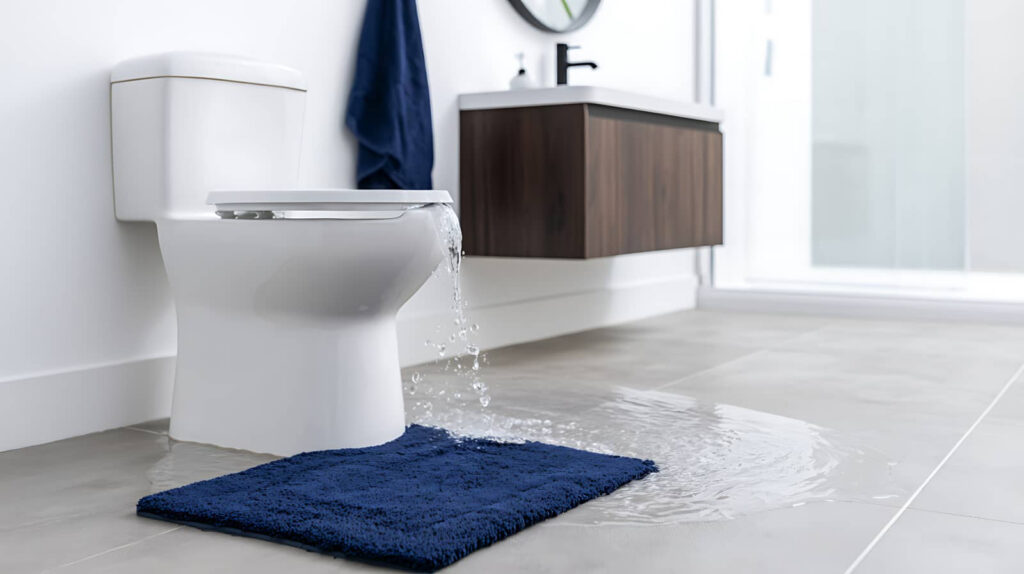
After a basement sewer backup leaves your carpet, drywall, and belongings soaked, you may assume your homeowners policy will cover the loss, but that isn’t always true. You need to know what sewer backup cleanup insurance actually pays for, where exclusions apply, and how limits affect your claim. The details can determine whether you recover only part of the damage or far more than you expected.
Key Takeaways
- Standard homeowners insurance often excludes sewer backup cleanup, so separate water or sewer backup coverage may be needed.
- Coverage can pay for sewage cleanup, contaminated material removal, drying, and replacement of unsalvageable property.
- Review your declarations page and endorsements to confirm whether sewer backup protection is included in your policy.
- File claims quickly with photos, videos, receipts, and restoration documentation to support the damage and cleanup costs.
- Claims may be denied for poor maintenance, gradual damage, or pre-existing issues, so preventive care is important.
Does Sewer Backup Cleanup Insurance Cover the Damage?
Whether sewer backup cleanup is covered depends on your policy, because standard homeowners insurance often excludes this type of water damage unless you’ve added specific sewer or water backup coverage.
You should review your declarations page and endorsements to confirm whether sewer backup cleanup insurance coverage applies. If your policy includes it, you can usually file a claim after documenting the damage and notifying your insurer promptly.
If it doesn’t, you may have to pay restoration costs yourself. You’re not alone in facing this issue; many homeowners only discover the limit after a backup occurs.
A restoration professional can help you assess the loss, protect the property, and support your claim with clear records, which can make the process more manageable and precise.
What Sewer Backup Insurance Pays For
Sewer backup insurance can pay for covered cleanup costs, including the removal of sewage and contaminated materials.
It may also reimburse you for damaged property replacement when items can’t be restored.
In addition, your policy can help cover restoration and drying services needed to return the area to safe use.
Covered Cleanup Costs
When your policy includes sewer backup coverage, it typically pays for the cleanup work needed to remove contaminated water, disinfect affected surfaces, and dry the area to help prevent further damage.
You can expect coverage to focus on professional remediation steps that restore sanitary conditions and reduce health risks. Restoration crews may extract standing water, apply antimicrobial treatments, and use industrial drying equipment to limit moisture left behind.
They can also remove sewage residue from hard surfaces and document the work for your claim. This coverage helps you respond quickly and confidently after a backup, so you’re not managing contamination alone.
It supports a cleaner recovery process and gives you a clearer path through the cleanup stage.
Damaged Property Replacement
If your policy includes sewer backup coverage, it may also pay to replace damaged items that cleanup can’t restore. You may recover the cost of furniture, flooring, drywall, rugs, and personal belongings that absorbed contaminated water beyond repair.
Your insurer usually evaluates each item against its condition before the loss and its salvage value, then applies policy limits and deductibles. You should keep damaged property until an adjuster inspects it, unless safety rules require immediate disposal.
Clear photos, purchase records, and item lists help support your claim and keep your household’s recovery on track. Coverage won’t usually pay for upgrades or routine wear, but it can help you replace essentials and reestablish a safe, familiar space after the event.
Restoration And Drying
Restoration crews can remove contaminated water, clean affected surfaces, and dry the structure to help prevent mold, odors, and further damage.
You’re usually covered for these mitigation steps when your policy includes sewer backup protection. Insurers often pay for professional extraction, disinfecting, structural drying, dehumidification, and air movement.
This work helps restore safe conditions and supports your claim with documented results. You should expect technicians to inspect moisture levels, monitor progress, and verify that materials reach an acceptable dryness standard.
- Water extraction and disposal
- Antimicrobial cleaning of impacted areas
- Drying of walls, floors, and framing
- Moisture testing and claim documentation
Common Sewer Backup Claim Exclusions
Even with sewer backup coverage, your claim can still be denied when the loss stems from excluded causes such as poor maintenance, gradual deterioration, pre-existing damage, or flooding that falls under a separate policy exclusion.
You should review your policy language carefully, because insurers often refuse losses linked to neglect, defective plumbing, tree-root intrusion left unaddressed, or damage that existed before the backup event.
You may also face denial if you can’t show timely mitigation or if the backup resulted from a non-covered system beyond your home’s protected limits.
When you understand these exclusions, you can document conditions better and strengthen your position.
Staying informed helps you feel aligned with other homeowners who prepare proactively and manage claims with confidence.
How Homeowners Insurance Handles Sewer Backups
Homeowners insurance typically handles sewer backups through a specific endorsement or add-on rather than standard dwelling coverage. You can use this protection to address sudden damage from backed-up drains, but you’ll need to confirm that your policy includes the right language.
In practice, insurers often require prompt notice, documentation, and proof of loss.
- You report the backup as soon as you notice it.
- You document affected rooms, belongings, and water sources.
- You review your policy for sewer-related wording.
- You coordinate with approved restoration professionals for cleanup.
This approach helps you stay aligned with your carrier’s process and supports a smoother claim experience.
If you’re part of a community facing similar losses, clear coverage terms can help you respond confidently and protect your home with less uncertainty.
How Coverage Limits Affect Your Payout
Coverage limits directly affect how much your insurer will pay for sewer backup cleanup, since your policy only reimburses losses up to the stated cap. You’ll receive payment only for covered expenses that fall within that limit, even when your actual cleanup costs are higher.
If your loss exceeds the limit, you’re responsible for the remaining balance, so a modest cap can leave you with a significant out-of-pocket cost. You should review whether your endorsement sets a separate sublimit for sewer backup, because that figure may differ from your general property coverage.
Knowing this number helps you plan with confidence and stay aligned with other policyholders who protect their homes carefully. Higher limits usually cost more, but they can reduce financial strain after a backup.
How To File a Sewer Backup Insurance Claim
When a sewer backup occurs, you should notify your insurer as soon as possible, document the damage with photos and videos, and review your policy to confirm that sewer backup is covered.
You should then open a claim, provide your policy number, and explain when the backup started and what areas it affected.
Keep receipts for cleanup supplies, temporary lodging, and emergency services, because your insurer may request them.
- Ask what forms or deadlines apply.
- Follow instructions for mitigation and repairs.
- Keep copies of every message and invoice.
- Stay in contact until the claim closes.
What Restoration Pros Document for Your Claim
Restoration professionals create a detailed record of the sewer backup to support your insurance claim. They photograph affected rooms, damaged materials, and visible contamination before any cleanup begins.
They note the date, time, source of the backup, and the areas you couldn’t safely use. You’ll also receive moisture readings, removal logs, and an inventory of items that were discarded or salvaged.
These records help your insurer verify the scope of loss and evaluate covered expenses. Professionals may document sanitation steps, drying progress, and equipment used, giving you a clear paper trail.
When you stay organized and share this documentation promptly, you strengthen your claim and reduce avoidable delays.
How To Prevent Another Sewer Backup
To reduce the risk of another sewer backup, keep drains clear, limit what enters your plumbing system, and schedule regular inspections if your property has recurring issues.
You should also protect floor drains, maintain backwater valves, and watch for warning signs such as slow drainage or gurgling fixtures. When you act early, you reduce damage and strengthen your home’s resilience.
- Dispose of grease, wipes, and hygiene products in the trash.
- Install strainers to catch debris before it enters drains.
- Test sump pumps and backwater valves on a routine basis.
- Call a licensed plumber after repeated backups or odors.
These steps help you stay prepared and connected to a community of informed property owners.
Frequently Asked Questions
Do Renters Need Separate Sewer Backup Coverage?
Yes, you usually need separate sewer backup coverage, because standard renters insurance often excludes it. You should check your policy, since some insurers offer it as an endorsement that protects your belongings and supports claims.
Is Mold From Sewer Backups Covered by Insurance?
Usually, yes if your policy covers sewer backups; mold can spread like ink in water, so you’ll want quick cleanup. You’ve got protection only if you act fast and meet claim requirements.
Will Insurance Pay for Temporary Housing After Cleanup?
Yes, if your policy includes loss-of-use coverage and cleanup makes your home uninhabitable, you’ll likely get temporary housing. You should check limits, deductibles, and sewer-backup endorsements, then document expenses promptly for your insurer.
Are Basement Items Damaged by Sewage Always Covered?
No, you’re not always covered. Your policy may exclude sewer-related losses unless you’ve added backup coverage. You’ll likely need to document damage, protect salvageable items, and work closely with your insurer and a restoration professional.
Does Sewer Backup Coverage Require a Deductible?
Yes, you’ll usually pay a separate deductible for sewer backup coverage, and it often differs from your standard policy deductible. You should review your endorsement, because limits and deductibles can vary by insurer and policy.
Summary
In short, sewer backup cleanup insurance can save you from a costly mess, but you need to know what your policy covers and what it excludes. If you act quickly, document the damage, and file your claim promptly, you improve your chances of a fair payout. Stay vigilant, maintain your plumbing, and review your limits regularly. Don’t let a hidden backup catch you flat-footed; the right coverage can make all the difference.
Recent Posts
Flood Damage Repair Vs Water Damage Restoration Explained
If a burst pipe soaks your basement overnight, you may need water damage restoration; if
When To Hire Professional Flood Damage Repair Services
If you notice standing water, soaked materials, or a persistent musty smell, you may need
Flood Damage Repair Insurance Claims: How The Process Works
When floodwater hits your home, you need to move fast and document everything before cleanup