
Contents
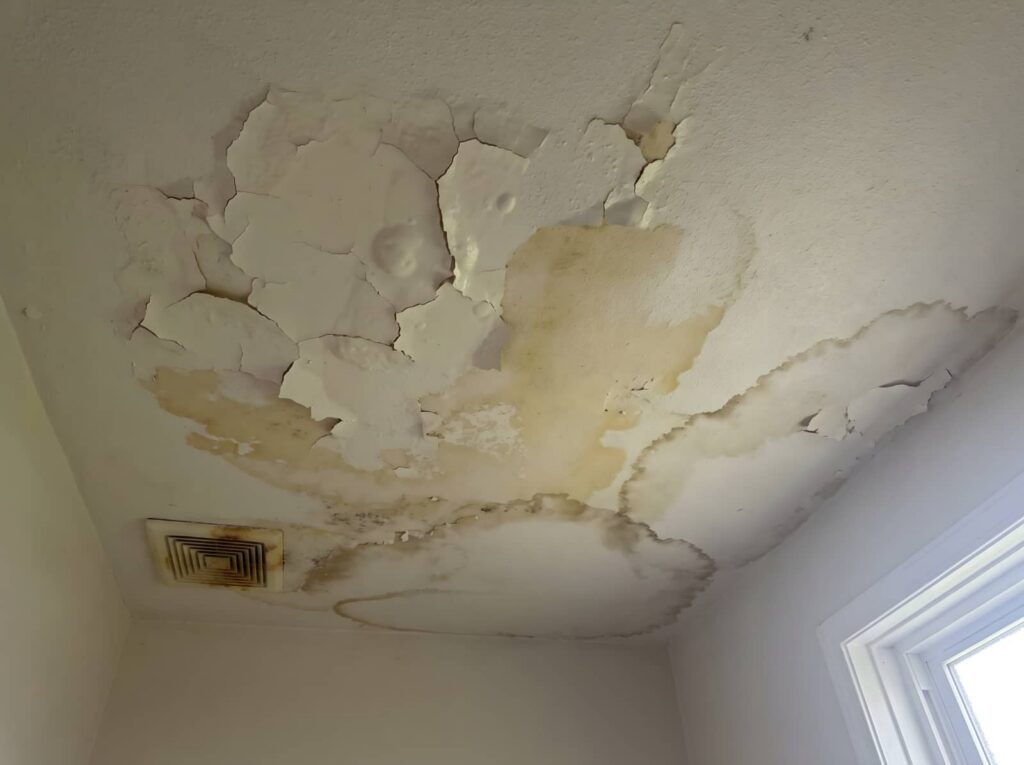
A ceiling stain can feel like a warning light overhead, and you don’t want to ignore it. Ceiling Water Damage Repair Cost can range from a simple patch to a full repair, depending on the leak source, drywall damage, mold, and whether insulation or framing got hit. If you act fast, you can often limit both the visible repair and the hidden problems, but the real price can change quickly.
Key Takeaways
- Minor ceiling water damage repairs often cost a few hundred dollars, while major drywall replacement can reach several thousand.
- Repair costs rise with leak complexity, damage size, mold presence, hidden damage, and multiple affected areas.
- Professionals usually stop the leak first, then remove soaked materials, inspect for mold, and determine whether patching or replacement is needed.
- Budget for materials like drywall, insulation, joint compound, primer, and paint, plus possible testing and unexpected leak-related expenses.
- Compare itemized contractor quotes, labor rates, references, and warranties to choose a qualified repair professional.
What Ceiling Water Damage Repair Costs Usually Run
Ceiling water damage repair costs usually run from a few hundred dollars for minor spot repairs to several thousand dollars when you need drywall replacement, stain removal, insulation drying, and repainting.
For a typical ceiling water damage repair cost, you can expect modest fixes to stay on the low end when the damage stays localized and the surface dries quickly. Once you need a contractor to cut out compromised materials, match texture, and finish the area, the bill climbs fast.
You’ll usually get the best estimate after an on-site inspection, because pros can confirm the extent of visible and hidden damage. If you’re facing this issue, you’re not alone; quick action helps protect your home, your budget, and your peace of mind.
Top Factors That Raise Ceiling Repair Costs
Several factors can push your ceiling repair cost higher, starting with the leak source, since hidden plumbing, roof, or HVAC problems take more time to locate and fix.
Your total also rises when the damage spreads beyond the surface, because larger areas often need more materials and labor.
If mold has formed or the drywall has softened, you’ll likely need additional remediation and replacement before the ceiling’s fully repaired.
Leak Source Complexity
When the leak source is hard to find, your ceiling repair cost usually climbs because crews have to spend more time tracing the water path and opening additional areas to inspect hidden damage.
You may need specialized testing, such as moisture meters or thermal imaging, which adds labor and service fees. If the source sits behind plumbing, HVAC lines, or a roof detail, technicians often have to coordinate with another trade, and that extra scheduling can raise your total.
- Hard-to-access leaks often require more diagnostic time.
- Multiple possible sources can delay repairs and increase visits.
- Expert tracing helps you avoid repeat damage and missed fixes.
Extent Of Damage
After the leak is found, the next major cost driver is how much damage it’s already caused. If the stain is small and the surface is still firm, you may only need a limited cutout, patch, and repaint.
But once water has spread across a larger area, you’re paying for more labor, more materials, and more time to dry everything properly. Sagging sections, swollen trim, and damaged insulation can push the job from a simple fix to a wider restoration.
You’ll also see costs rise when the affected ceiling spans multiple rooms or floors. The sooner you act, the more likely you’re to keep repairs contained and stay within a lower budget that fits your home and your peace of mind.
Mold And Drywall Issues
If the leak has gone on long enough for mold to form or the drywall to soften, your repair bill can climb fast. You’ll usually need more than a simple patch, because contractors must remove contaminated material, dry the cavity, and sometimes treat framing too.
That added labor and disposal work raise the ceiling water damage repair cost quickly.
- Mold testing or remediation can add significant fees.
- Wet drywall often needs full replacement, not spot repair.
- Hidden damage may require insulation or paint blending.
You can lower surprises by acting early, documenting stains, and getting a detailed estimate.
When your home needs this kind of work, you’re not just fixing a ceiling—you’re protecting your space, comfort, and peace of mind.
How Repair Costs Vary by Cause
Your ceiling water damage repair cost will vary based on the leak source, since a simple plumbing drip usually costs less to fix than damage from a roof leak or burst pipe.
If mold has spread, you’ll pay more for testing, removal, and any extra cleanup needed to restore the area safely.
When the damage affects framing, drywall, or other structural parts, you can expect higher repair costs because the work becomes more extensive.
Leak Source Impact
The leak source has a big impact on ceiling water damage repair cost because each cause creates a different scope of work. If a plumbing line failed, you may need pipe repair, ceiling patching, and repainting.
When an appliance overflowed, the fix can be more localized, which usually keeps labor lower. Roof leaks often cost more because you’re paying to trace the entry point, seal the exterior, and restore interior finishes. If you act quickly, you can often limit demolition and shorten the job.
- Hidden leaks usually require more inspection time.
- Recurring leaks can raise costs because they keep damaging the same area.
- Easy-access leaks often cost less to resolve.
When you understand the cause, you can budget with more confidence and feel better prepared.
Mold Damage Scope
Mold damage can greatly change ceiling water damage repair cost because it often expands the project beyond basic drying and drywall replacement.
If you catch it early, you may only need cleaning, surface treatment, and limited material removal. If mold has spread, you’ll likely pay for containment, HEPA filtration, antimicrobial application, and more labor.
The cause matters, too: a slow roof leak usually gives mold more time to grow than a sudden burst pipe, so costs can rise fast.
You should also expect inspectors to test affected areas and confirm the work is complete. Acting quickly protects your home, your budget, and your peace of mind.
When you know what to look for, you can make confident choices and stay in control of the repair process.
Structural Repair Needs
Once you’ve ruled out mold or handled it, the next cost driver is how much structural repair the ceiling needs, which varies a lot by cause.
If a small leak only stained drywall, you’ll likely pay for patching and repainting. If water soaked joists, insulation, or framing, expect higher labor and materials costs.
Burst pipes often create localized damage, while roof leaks can spread and weaken larger sections over time. A trusted contractor will inspect hidden cavities before quoting, so you know whether you’re facing a simple cosmetic fix or a full rebuild.
- Minor drywall patch and paint
- Wet insulation removal and replacement
- Framing repair, reinforcement, or replacement
What a Pro Repair Actually Includes
When a pro handles ceiling water damage, they usually start by stopping the leak, then inspect the ceiling, insulation, framing, and any nearby electrical components to see how far the damage has spread.
You’ll then get a clear repair plan that often includes removing soaked drywall, drying hidden cavities, treating mold concerns, and replacing damaged materials.
A good contractor also checks for sagging, stains, and weak seams so your ceiling looks and performs like it should.
They’ll match texture, patch paint, and clean the work area before they leave.
That process can feel reassuring because you’re not guessing what comes next. You’re getting a coordinated fix that protects your home, reduces repeat damage, and helps your space feel safe again.
Can You Fix Ceiling Water Damage Yourself?
You can handle minor ceiling water damage yourself if the leak has already been fixed and the affected area is small, dry, and stable.
You’ll want to clean the surface, remove loose paint, and patch any light discoloration before repainting. If the drywall feels soft, sags, or shows mold, stop and call a professional.
- Wear gloves, eye protection, and a mask.
- Cut away damaged material only if it’s fully dry.
- Match primer and paint to blend the repair.
Stay cautious, because hidden moisture can spread damage behind the ceiling.
When you’re part of a community of homeowners tackling repairs, the goal is a safe, neat finish that protects your home and keeps the space looking cared for.
How to Estimate Your Ceiling Repair Cost
Estimating ceiling repair cost starts with measuring the damaged area and identifying what needs fixing beyond the visible stain.
You should check whether you need patching, drywall replacement, repainting, insulation removal, or mold remediation, because each item changes the total.
Next, compare labor rates in your area and ask for itemized quotes so you can see where the money goes.
If the leak damaged wiring or framing, add those repairs too.
You can also use material prices for joint compound, primer, paint, and new drywall to build a simple budget.
For a clearer estimate, include access difficulty, ceiling height, and the size of the leak source.
When you break the job into parts, you’ll feel more confident and better prepared to choose the right contractor.
Frequently Asked Questions
How Long Does Ceiling Water Damage Repair Take?
You’ll usually spend 1–7 days on ceiling water damage repair, depending on drying time, damage extent, and material replacement. If you catch it early, you can finish faster and avoid bigger repairs later.
Does Insurance Cover Ceiling Water Damage Repairs?
Often, yes—if you’ve got sudden, accidental damage. About 1 in 50 homeowners files a water-damage claim yearly, so you should review your policy, document the ceiling, and call your insurer fast.
Should I Replace or Repair a Damaged Ceiling?
You should repair it if damage’s minor, dry, and localized; replace it if sagging, moldy, cracked, or repeatedly wet. You’ll protect your home, save money, and restore comfort faster with a pro’s assessment.
Will Mold Make Ceiling Repairs Much More Expensive?
Yes, mold can make your ceiling repairs much more expensive. You’ll likely need testing, containment, removal, and extra drying, plus possible insulation or drywall replacement. Acting quickly helps you avoid bigger costs and health risks.
When Should I Call an Emergency Restoration Company?
When you see water staining spread like a storm cloud across your ceiling, you should call an emergency restoration company right away if there’s active leaking, sagging, mold, or electrical risk; you’ll protect your home and community.
Summary
So, if you think ceiling water damage is “just a stain,” your wallet may disagree later. You’ll likely spend far less if you act fast, but costs can still climb from a few hundred dollars to thousands once drywall, insulation, or mold get involved. You can’t see every problem from below, so you should budget for hidden repairs too. The sooner you call a pro, the less “surprising” your final bill tends to be.
Recent Posts
Flood Damage Repair Vs Water Damage Restoration Explained
If a burst pipe soaks your basement overnight, you may need water damage restoration; if
When To Hire Professional Flood Damage Repair Services
If you notice standing water, soaked materials, or a persistent musty smell, you may need
Flood Damage Repair Insurance Claims: How The Process Works
When floodwater hits your home, you need to move fast and document everything before cleanup