Contents
You may not realize that sewer backup cleanup costs usually start with extraction and disinfection, then rise fast if porous materials need removal. You’re often looking at $2,000 to $10,000, but the final bill depends on contamination level, drying time, and repair scope. If you wait, waste spreads and costs climb. Knowing what’s included, what insurance may cover, and where DIY fails can change the outcome.
Key Takeaways
- Sewer backup cleanup for homeowners typically costs between $2,000 and $10,000, depending on contamination and damage severity.
- Costs usually include sewage extraction, sanitizing, structural drying, and disposal of contaminated materials.
- Porous materials like carpet and drywall often need removal, which increases labor and equipment expenses.
- Fast response lowers costs by limiting wastewater spread, moisture absorption, and mold growth.
- Insurance may cover some cleanup and damaged flooring, but homeowners should document damage and review policy limits quickly.
How Much Does Sewer Backup Cleanup Cost?
Sewer backup cleanup typically costs homeowners between $2,000 and $10,000, though severe contamination or structural damage can push the price much higher.
For you, the sewer backup cleanup cost for homeowners usually covers extraction, sanitizing, drying, and disposal of damaged materials.
If wastewater reaches flooring, walls, or belongings, you’ll likely pay more for labor and specialized equipment.
You shouldn’t wait, because delays let contamination spread and raise recovery costs. A fast response helps protect your home, your health, and your sense of security.
Most crews inspect the affected area, document losses, and give you a written estimate before work begins.
That way, you can make informed decisions and stay connected to a team that handles the mess with care, precision, and urgency.
What Affects Sewer Backup Cleanup Costs?
Several variables shape your sewer backup cleanup cost, and the biggest one is how far the wastewater spread. If it stayed in one room, you’ll usually face less demolition, drying, and sanitizing than if it reached multiple rooms or seeped into walls and subflooring.
Porous materials like carpet, padding, insulation, and drywall can’t always be saved, so removal raises the total. Contamination level matters too: raw sewage requires more protective gear, disinfection, and disposal than gray water.
The longer you wait, the more moisture wicks into structural materials and the higher the risk of mold. Access also affects effort; tight crawl spaces, finished basements, and crowded utility areas slow cleanup.
When your home team acts fast, you protect your space and reduce loss.
How Pros Price Sewer Cleanup
Pros price sewer cleanup by combining labor, equipment, and disposal costs into the estimate.
You’ll usually pay more when technicians need extraction units, air movers, decontamination supplies, or confined-space protection.
Damage severity also drives pricing, since deeper contamination and structural impact require more time, cleanup steps, and restoration work.
Labor And Equipment
When a cleanup crew prices a sewer backup job, they usually base the estimate on labor hours and the equipment needed to safely remove contaminated water and restore the space.
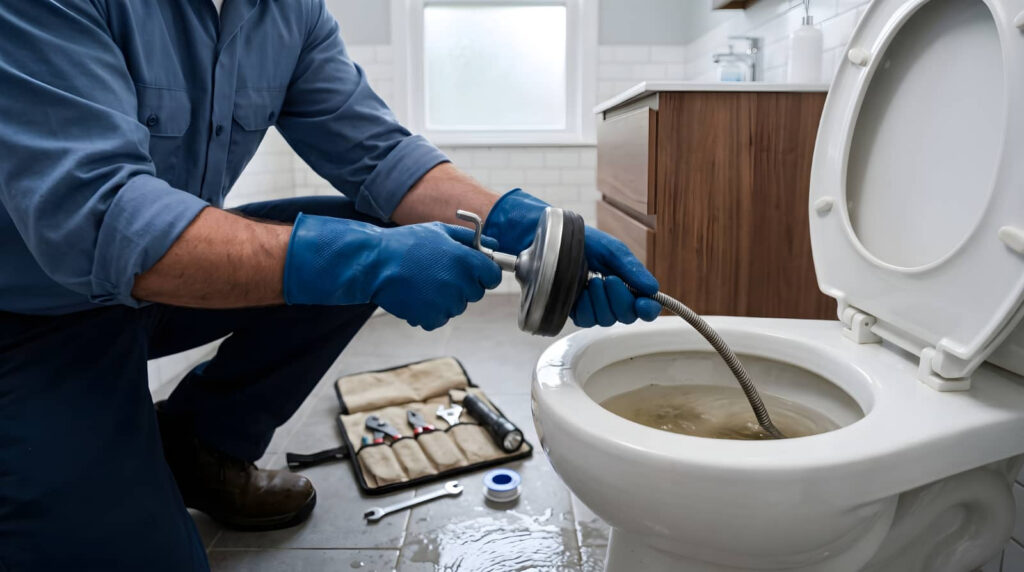
You’re paying for trained technicians who can isolate the area, extract waste, and follow sanitation protocols. Pros often bring truck-mounted extractors, submersible pumps, air movers, dehumidifiers, HEPA filters, and antimicrobial application tools.
Each machine adds setup, operation, monitoring, and transport time, so labor and equipment are priced together. If your crew needs more workers or longer shifts, costs rise accordingly.
A reputable team explains hourly rates, minimum charges, and rental or disposal fees upfront, so you can compare bids with confidence and feel covered by a crew that knows the work.
Damage Severity
Damage severity is one of the biggest drivers of sewer backup cleanup cost, because pros price the job based on how far contamination has spread and how much material they’ve to remove.
If sewage stays on hard flooring, you’ll usually pay less than if it wicks into drywall, insulation, or subflooring. Category 3 water often requires demolition, disposal, disinfecting, and drying, and each step adds labor and materials.
After the initial inspection, your crew will map the affected area, test moisture, and decide what can be saved. The deeper the intrusion, the more containment, personal protective equipment, and antimicrobial treatment they’ll need.
When you understand the damage class, you can compare bids more confidently and join the homeowners who avoid surprise charges.
What’s Included in Sewer Backup Restoration?
Sewer backup restoration typically includes sewage extraction, contaminated material removal, disinfection, structural drying, and disposal of unsalvageable items.
You’ll also get moisture mapping, odor control, and contamination checks so the affected area meets safety standards. Crews isolate the zone, remove porous materials, and clean hard surfaces with approved agents. That helps you protect your household and stay in step with a professional team.
- Pump out standing waste and rinse affected surfaces
- Remove soaked carpet, drywall, insulation, and contents
- Dry framing, subfloors, and airspaces with dehumidifiers
You may also see HEPA filtration and final verification before reentry. This process focuses on reducing biohazard exposure, limiting lingering smells, and helping your home feel normal again.
How Much Do Repairs Add to the Bill?
Once the cleanup crew removes contaminated materials, repair costs can raise the total by a wide margin.
You’ll usually pay for drywall replacement, insulation, baseboard, flooring, trim, and any damaged cabinetry. If wastewater reached outlets, wiring, or plumbing fixtures, expect licensed trade labor, permit fees, and code-compliant parts to be added.
Simple surface repairs may stay modest, but hidden damage behind walls or under subfloors quickly pushes the bill higher. You can limit surprises by asking for a written scope, itemized estimates, and moisture readings before work starts.
When you coordinate promptly with your restoration team, you keep the project organized and avoid extra labor charges. That approach helps you protect your home, your budget, and your peace of mind together.
Sewer Backup Cleanup Cost by Damage Level
Your sewer backup cleanup cost usually depends on whether the damage is minor or major.
Minor backups often involve surface cleaning and limited sanitation, while major sewer damage can require demolition, drying, and structural repairs.
You’ll pay more as contamination spreads and restoration work becomes more extensive.
Minor Sewer Backups
Minor sewer backups usually cost less to clean up because the contamination stays limited to a small area, often a bathroom floor, utility room, or basement corner. You’ll usually pay for extraction, surface cleaning, disinfection, and drying, with costs driven by access and material type.
If you catch it quickly, you can limit odor, staining, and labor time, which helps keep the bill lower.
- Wet-vac removal from tile or concrete
- Disinfection of baseboards and fixtures
- Air movers and dehumidifier setup
You’ll still want a trained crew to test moisture and verify sanitation. That step protects your home and helps you feel confident you’re handling the mess correctly.
For many homeowners, a minor backup is a manageable cleanup, not a full restoration project.
Major Sewer Damage
When sewer damage spreads beyond a small room, cleanup costs rise fast because crews have to remove contaminated materials, not just dry surfaces.
You’re usually dealing with soaked drywall, insulation, flooring, and baseboards, plus odor control and antimicrobial treatment. That means higher labor, disposal, and equipment charges, often pushing costs into the thousands.
If wastewater reached multiple rooms or the HVAC system, you may also need demolition, structural drying, and inspection for hidden moisture.
Expect pricing to climb further when contents removal, mold prevention, or plumbing repairs are included.
In cases like yours, insurers often require detailed documentation, so photos and moisture readings matter.
You can reduce losses by acting quickly, isolating the area, and working with a licensed restoration team that knows sewer damage rules.
How Insurance Can Lower Your Out-Of-Pocket Costs
If your homeowners policy includes sewer or water backup coverage, it can greatly reduce what you pay out of pocket by covering part of the cleanup, drying, and restoration work after a sewage loss.
You still handle your deductible, but insurance may pay for extraction, antimicrobial treatment, damaged flooring, drywall removal, and affected contents.
Review your limits before an emergency, because low caps can leave you exposed.
- Call your carrier promptly and open a claim.
- Document standing water, stained materials, and damaged items.
- Ask for approved mitigation vendors and covered scope details.
When you understand your policy, you can make faster decisions and protect your home with confidence.
Accurate estimates, photos, and invoices help support reimbursement and keep your recovery process aligned with your insurer’s requirements.
When DIY Cleanup Costs More in the End
Trying to clean up sewage on your own can seem cheaper at first, but hidden damage often drives the total cost higher. You may remove visible waste and still leave contaminated water in subflooring, wall cavities, and insulation.
That lets bacteria, moisture, and odors spread, which can turn a simple cleanup into structural repairs. If you skip proper drying or disinfection, you also raise the risk of mold and long-term material failure. You might replace a few surface items now, then face larger demolition and sanitation bills later.
In a connected home, you want every affected area assessed, not just the obvious mess. Professional restoration teams use moisture meters, containment, and antimicrobial treatment to reduce rework and protect your home’s value.
How To Cut Sewer Backup Cleanup Costs
You can lower sewer backup cleanup costs by acting fast and limiting how far the contamination spreads. Shut off water, stop using fixtures, and isolate the affected area so you don’t drive sewage into more rooms.
Call a licensed restoration crew quickly; they can extract wastewater, remove damaged porous materials, and disinfect surfaces before hidden moisture grows costly. Keep a clear record of damaged items for your insurer, and ask whether emergency mitigation is covered.
If safe, move dry belongings to a clean zone and improve airflow with fans and dehumidifiers.
- Block off hallways and drains
- Photograph damage before disposal
- Save receipts for repairs
Frequently Asked Questions
How Long Does Sewer Backup Cleanup Usually Take?
You’ll usually see sewer backup cleanup take one to three days, depending on contamination severity, affected materials, drying time, and repairs. You can expect longer timelines if demolition, disinfection, or insurance inspections are needed.
Is Mold Testing Included After Sewer Backup Cleanup?
Usually, you don’t get mold testing automatically; you’ll need to request it or confirm it’s included. After cleanup, you should test damp materials, because hidden moisture can trigger mold growth and complicate your restoration timeline.
Can I Stay in My Home During Sewer Backup Cleanup?
Usually, you can’t stay if contamination reaches living areas; for example, if sewage backs up into your basement, you should leave until crews finish removal, disinfection, drying, and air-quality checks to protect your household.
Do Plumbers Handle Sewer Backup Restoration Too?
Yes, some plumbers handle initial cleanup, pipe repair, and source removal, but you’ll usually need a restoration team for disinfection, drying, and damaged material replacement. You can ask for a coordinated response and estimate.
What Should I Do Before Cleanup Crews Arrive?
Of course, you’d love standing in sewage—so don’t. You should shut off water, avoid the area, photograph damage, move valuables, and keep pets away. If it’s safe, ventilate rooms and wait for cleanup crews.
Review
When you face a sewer backup, act fast; every minute lets contamination spread and costs rise. Think of your home like a ship in stormwater: quick extraction, disinfection, and drying keep the hull sound. Review your insurance, photograph damage, and save receipts to support your claim. If you handle cleanup early and call pros when needed, you can limit repairs, reduce out-of-pocket costs, and steer your home back to safe water.
Recent Posts
Flood Damage Repair Vs Water Damage Restoration Explained
If a burst pipe soaks your basement overnight, you may need water damage restoration; if
When To Hire Professional Flood Damage Repair Services
If you notice standing water, soaked materials, or a persistent musty smell, you may need
Flood Damage Repair Insurance Claims: How The Process Works
When floodwater hits your home, you need to move fast and document everything before cleanup