
Contents
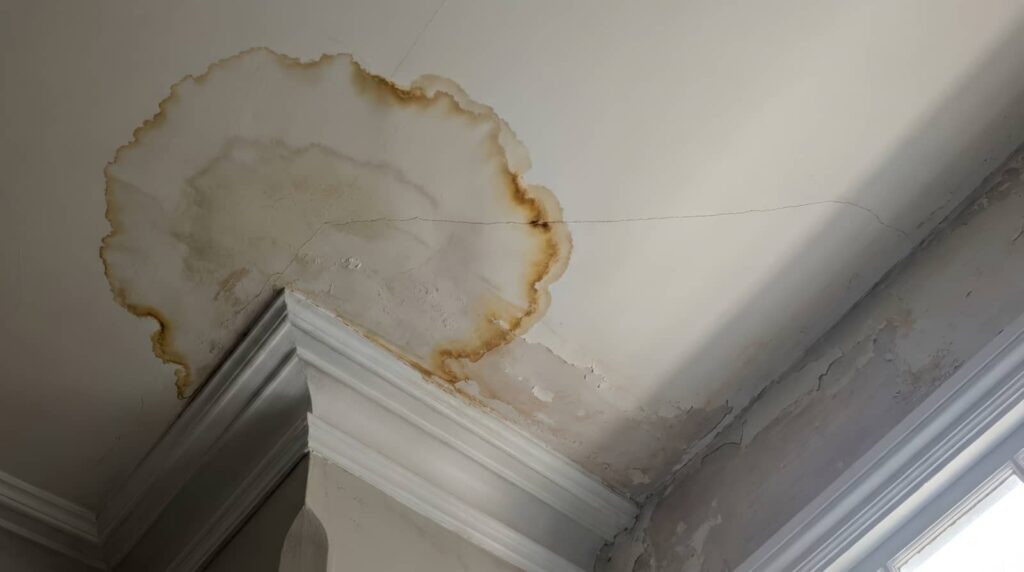
A roof leak can drive water beneath shingles, so the stain you see on the ceiling often isn’t the real entry point. Ceiling Water Damage From Roof Leak requires you to stop the leak, dry the area, and document the damage right away, but finding the source fast matters just as much. From damaged flashing to ice dams, the cause changes the repair, and a small patch job can turn into a full restoration if you miss one key step.
Key Takeaways
- Roof leaks often start from damaged shingles, cracked flashing, clogged gutters, or failed sealant around roof penetrations.
- Ceiling water damage may spread slowly along rafters or decking before showing as stains, bubbling paint, or sagging drywall.
- Stop the leak quickly, catch dripping water, move valuables, and shut off nearby power if water reaches outlets or fixtures.
- Find the source by inspecting the attic, roof valleys, vents, skylights, and chimneys, or test short roof sections with a hose.
- Repair by drying materials, removing wet drywall and insulation, treating for mildew, and calling a professional for major or unsafe damage.
What Should You Do First After a Roof Leak?
First, stop the leak from causing more ceiling water damage by catching any dripping water with a bucket or container and moving furniture, electronics, and valuables out of the affected area.
You should also shut off power to any nearby circuits if water is near lights, fans, or outlets.
Next, document the damage with photos so you can support your insurance claim and track changes.
Then, dry the room with fans and ventilation, but don’t poke, cut, or press the ceiling, because hidden water can weaken it.
If the ceiling sags, bulges, or stains spread, call a restoration professional right away.
Quick action helps you protect your home, reduce ceiling water damage from roof leak, and stay in control with your household team.
How Do You Find the Leak Source Fast?
To find the leak source fast, start by tracing the ceiling stain to the highest point of visible damage and then inspect the attic, roof decking, and nearby roof penetrations above that area.
You’ll want a flashlight, gloves, and a steady eye for water tracks, damp insulation, rusted fasteners, or darkened wood.
Check around vents, chimneys, skylights, pipe boots, and valleys, because leaks often travel before they show inside.
If it’s safe, test the roof with a garden hose in short sections while another person watches indoors.
Mark each wet spot with painter’s tape so you can compare patterns.
You’re not guessing alone here; you’re building a clear map that helps you narrow the entry point quickly and confidently.
What Causes Ceiling Water Damage From a Roof Leak?
Ceiling water damage from a roof leak usually starts when water gets past the roof covering and enters the attic or ceiling cavity, where it soaks insulation, stains drywall, and weakens framing over time.
You’ll often see this after damaged shingles, cracked flashing, failed sealant, clogged gutters, or wind-driven rain that slips under vulnerable edges.
Ice dams can force meltwater uphill, while aging roof penetrations around vents, chimneys, and skylights create easy entry points.
Sometimes the leak isn’t dramatic; it’s a slow intrusion that follows roof decking, rafters, or pipes before showing up indoors.
When you notice discoloration, sagging, or a musty smell, you’re not alone—these are common signs your roof system needs attention, and quick action helps limit spread.
How Do You Repair Ceiling Water Damage?
Repair starts with stopping the leak, then drying and removing every material that’s been compromised. You’ll want to isolate the area, protect nearby items, and verify the roof repair before you rebuild.
Cut out wet drywall or plaster until you reach solid, dry edges. Remove soaked insulation and any stained, swollen, or crumbling framing components. Use fans and dehumidifiers to bring moisture levels down, and keep airflow moving through the cavity.
Once the structure is dry, you can treat remaining surfaces with a mildew-resistant cleaner and let them fully cure. Then patch, tape, and skim the ceiling, sand smooth, prime, and repaint to match.
When you work methodically, you protect your home and restore a clean, safe space.
When Should You Call a Restoration Pro?
Even with a solid repair plan, some ceiling water damage needs professional help right away. If you see a sagging ceiling, active dripping, widespread staining, or a musty smell, call a restoration pro. You’ll also want expert help when water reaches insulation, wiring, HVAC parts, or multiple rooms.
- The ceiling feels soft or bulges.
- Damage keeps spreading after the roof stopgap.
- Mold appears or humidity stays high.
- You can’t find the leak source.
- You need drying, containment, and safe material removal.
A certified team can inspect moisture, dry hidden cavities, and reduce secondary damage before it grows.
When you bring in help early, you protect your home and join neighbors who handle repairs the smart way.
Frequently Asked Questions
Can Ceiling Water Damage Cause Mold Growth Quickly?
Yes, you can get mold growth within 24 to 48 hours after ceiling water damage if you don’t dry it fast. You should stop the moisture source, ventilate, and call a restoration pro promptly.
How Long Does Wet Drywall Take to Deteriorate?
Wet drywall can start deteriorating within hours, and you’ll often see sagging, swelling, or crumbling in 1–2 days. If you dry it fast, you can limit damage and keep your space safer.
Is Stained Ceiling Paint Always a Sign of Active Leaking?
No, stained ceiling paint isn’t always active leaking; it’s like an old map, marking past storms too. You should check for dampness, growth, or spreading stains, then call a pro if conditions change.
Can Insulation Stay Wet Without Being Replaced?
No, you usually can’t leave insulation wet; it loses effectiveness and may grow mold. You’ll need to dry it fast or replace it if it’s soaked, compressed, or contaminated to protect your home.
Will Homeowners Insurance Cover Roof Leak Ceiling Damage?
Usually, yes—if a sudden leak caused the ceiling damage. You’ll belong with homeowners who document fast: after one storm, I’ve seen claims approved when you photographed stains, called promptly, and saved receipts.
Recap
If you think a small stain can wait, don’t—roof leaks often spread fast behind drywall and insulation. Once you stop the water, dry the area, and inspect for damaged shingles, flashing, gutters, or ice dams, you’ll limit the repair scope. Cut out wet materials, clean with a mildew-resistant solution, and patch carefully. If the leak’s hidden or the damage is widespread, call a restoration pro before mold and structural problems grow.
Recent Posts
Flood Damage Repair Vs Water Damage Restoration Explained
If a burst pipe soaks your basement overnight, you may need water damage restoration; if
When To Hire Professional Flood Damage Repair Services
If you notice standing water, soaked materials, or a persistent musty smell, you may need
Flood Damage Repair Insurance Claims: How The Process Works
When floodwater hits your home, you need to move fast and document everything before cleanup